


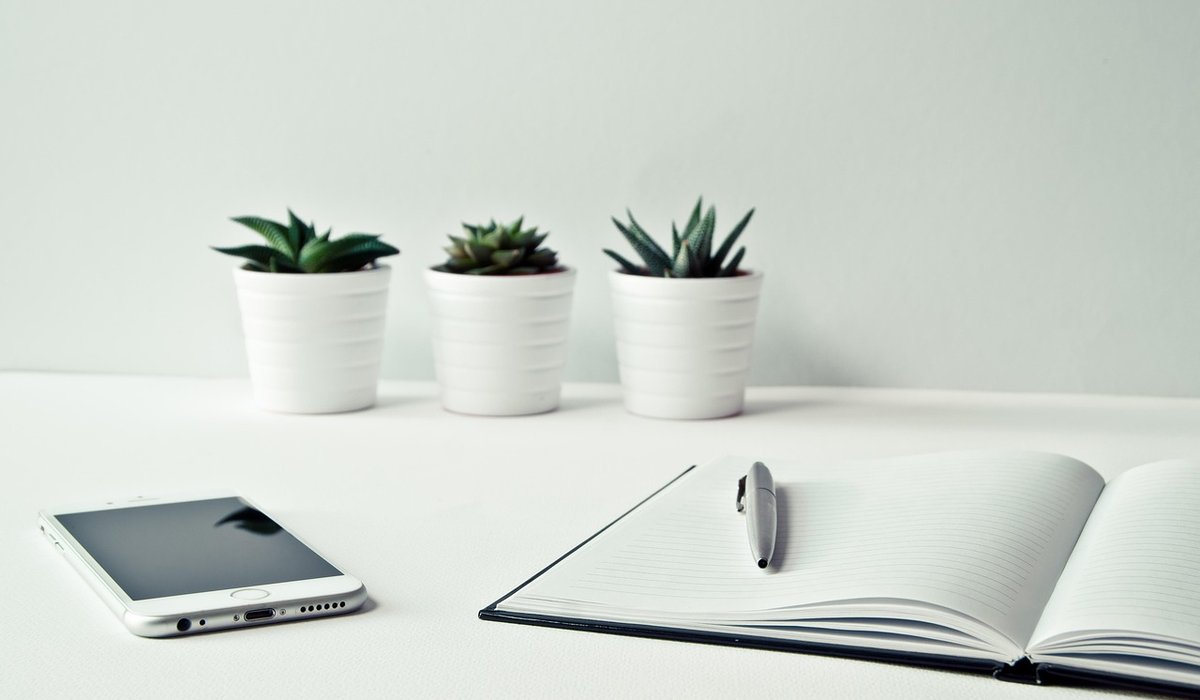
Start with the Right Kit (and Keep It Small)
A travel journal works best when it is light enough to carry every single day. The temptation is to pack a beautiful hardback notebook, three fountain pens and a watercolour set, then leave the whole lot in your suitcase by day three because your shoulder aches. Resist it. Choose an A5 notebook with a sewn binding so it lies flat when you write, or a slim travellers' notebook with a removable insert. A dot grid or plain paper gives you freedom to sketch a map, stick in a ticket and write a paragraph without fighting ruled lines.
For the rest of your kit, think small, flat and sticky: a glue stick rather than liquid glue (it never leaks in a rucksack), a roll of washi tape, a handful of paper clips, a fine-liner and one reliable pen. A tiny pair of folding scissors is useful but check it is allowed in your hand luggage before you fly. Everything should fit into a single zipped pouch about the size of a paperback.
The Envelope System: Collect First, Arrange Later
Here is the trick that makes travel journaling sustainable: you do not journal as you go. You collect as you go, then assemble in the evening. Carry a small envelope, roughly A6, tucked inside the back cover of your notebook. Throughout the day, every scrap of paper that catches your eye goes into it.
What is worth keeping?
- Train, tram, bus and metro tickets, especially those with the date and route printed on them.
- Museum and gallery entry stubs, plus the little floor-plan leaflets you are handed at the door.
- Cafe receipts with the name of the town on them, and the sugar sachet from a memorable breakfast.
- Postcards you meant to send but never did, which are far more useful stuck in a journal.
- Pressed leaves, a beer mat, a boarding pass, a stamped entry ticket, a paper napkin with a logo.
- Free city maps, folded down to the quarter you actually walked.
Keep the envelope in an outside pocket so you can add to it without rummaging. At the end of the day, empty it onto the table, bin anything damp or dull, and the remaining pile becomes your evening's material.
Fifteen Minutes Each Evening
The evening session should be short enough that you never skip it. Fifteen minutes is plenty. Set the pile of paper beside you, open to a fresh spread, and work in this order: stick first, write second.
Glue the largest item down, usually a map or a leaflet, then layer the smaller tickets around it. Overlap them slightly; a page that looks collaged rather than neatly arranged reads as more alive. Leave a margin for writing. Then, with the pen, note three things: the highlight of the day, something that surprised you, and one detail you would otherwise forget, such as the price of a coffee or the name of the street where you got lost.
Date every entry. If you are moving between towns, write the place name at the top of the page in slightly larger letters. That single habit makes the journal navigable years later, when you flick through looking for the afternoon in the rain in Bruges.
Using Maps as the Spine of the Journal
A map is more than a souvenir; it is a structure for the whole page. Fold out the free city map, find the area you covered, and tear or cut along the fold lines so you keep only that section. Glue it in, then mark your route with a fine-liner, adding small numbered dots for the places you stopped. Number the dots, and write the corresponding notes in the margin or on the facing page.
This turns a scatter of tickets into a narrative. It also solves the blank-page problem, because the map gives you something to write around rather than a void to fill. If you have no map, sketch one. A rough line for the river, a square for the cathedral and a cross for your hotel takes ninety seconds and is far more evocative than a photograph.
Making Tickets and Ephemera Last
Thermal-printed receipts and some modern tickets fade to blank paper within a few years, so treat anything you care about. Photograph it and print a small copy if it matters, or write the key details in pen beside it before it disappears. Avoid sellotape, which yellows and goes brittle; use a glue stick or washi tape instead. Washi tape is also removable, so you can reposition an item if you change your mind.
Thick bundles of pasted pages will make the notebook bulge. That is fine, and rather charming, but bind the whole thing with an elastic band or a length of ribbon so it does not splay open in your bag. If a page becomes very heavy, glue a second sheet over the back to reinforce it.
Building a Routine You Will Actually Keep
The journals that survive a whole trip are the ones with the lowest possible barrier to entry. Keep the notebook in your day bag, not your suitcase. Write on trains, in queues and over a coffee. Collect relentlessly and assemble briefly. Give yourself permission for messy handwriting, wonky glue lines and half-finished sentences.
When you get home, add one final page: the journey home, the total spent, and a short list of what you would do differently. Then put the journal on a shelf where you can reach it. The point was never a perfect artefact. It was a way of noticing more while you were there, and a way of getting it all back years later, ticket by ticket.


Leave a reply